

Wine is one of the few beverages that can improve with age, but only if it’s stored properly. Unfortunately, many bottles spend their lives sitting on kitchen counters, in sunny windows, or in garages that swing from freezing temperatures in winter to sweltering heat in summer.
If you’ve ever saved a special bottle for a celebration, only to find that it didn’t taste quite as good as you expected, poor storage may have been the culprit.
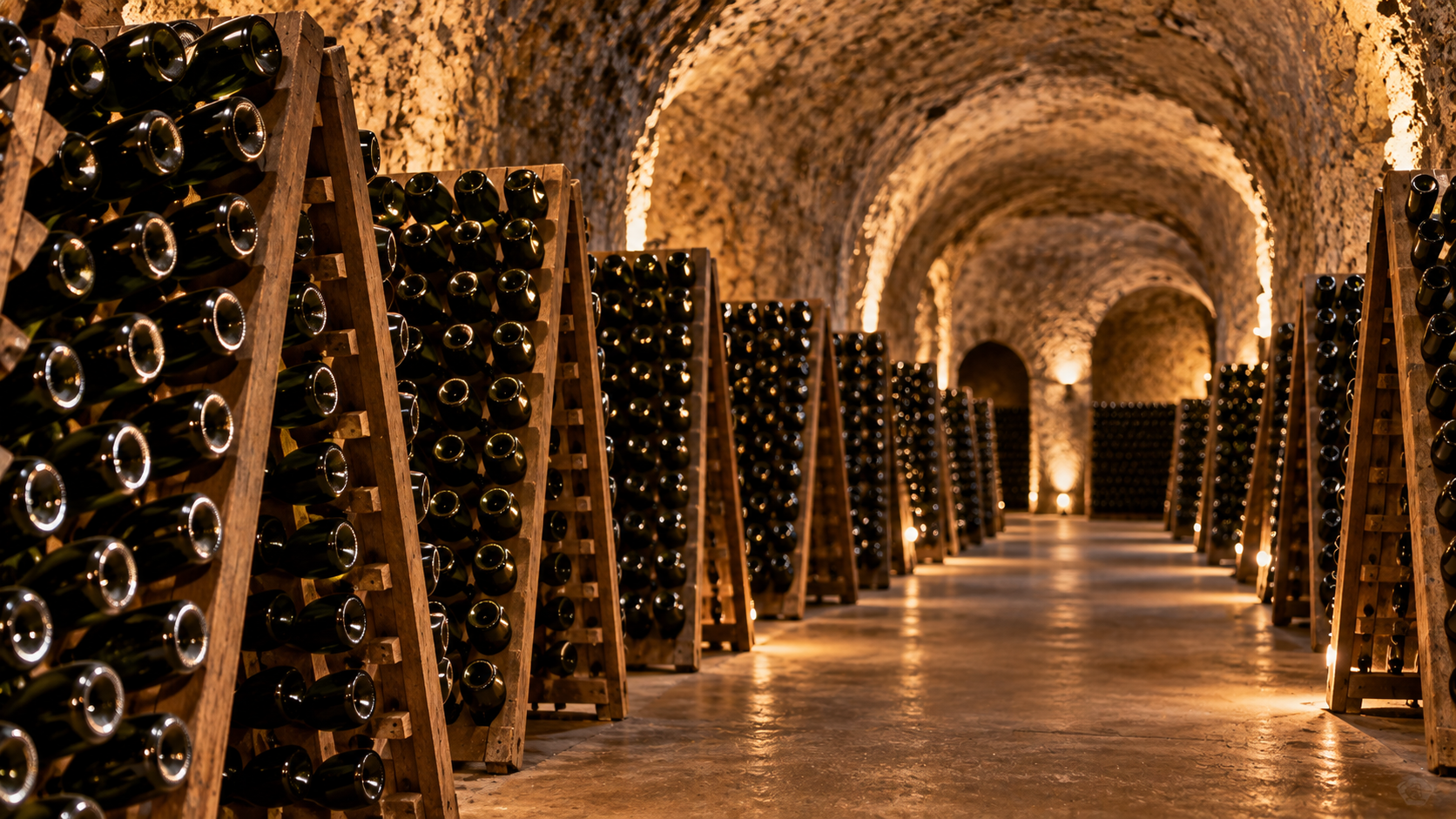
The good news is that proper wine storage isn’t complicated. You don’t need a giant wine cellar carved into a hillside (although I’ll admit that the one in the photo looks pretty nice!), and you certainly don’t need to spend a fortune on specialized equipment. By understanding a few basic principles, you can keep your wines tasting their best and avoid accidentally ruining a great bottle.
Most wine isn’t meant for long-term aging
One of the biggest misconceptions about wine is that every bottle gets better with age. In reality, that’s just not true.
Roughly 90-95% of the wine produced worldwide is intended to be consumed within a few years of release. Most wines are made to be fresh, vibrant, and enjoyable when they’re relatively young.
Wines like Sauvignon Blanc, Pinot Grigio, rosé, Prosecco, and many everyday red wines are usually at their best shortly after release. While they won’t suddenly spoil after a few years, they generally aren’t designed to develop the desired additional complexity through long-term aging.
Only a small percentage of wines have the structure needed to improve over many years. These wines typically possess high levels of acidity, tannin, sugar, or some combination of all three. Cabernet Sauvignon, Barolo, Riesling, and Vintage Port are classic examples.
For most wine drinkers, proper storage is less about helping wine improve and more about preserving the quality that already exists in the bottle.
The most important factor: Temperature
If there’s one thing to remember about wine storage, it’s this: heat is the enemy.
Temperature has a greater impact on wine than any other storage factor. Wine is a loving product that continues to evolve in the bottle, and excessive heat accelerates that evolution dramatically.
The ideal storage temperature for wine is generally considered to be around 55 degrees Fahrenheit (13C). Fortunately, wine doesn’t require absolute precision. Any stable temperature between about 50 and 59 degrees (10-15C) should be just fine.
Problems begin when wine is exposed to prolonged heat. A bottle stored at 75 or 80F will age significantly faster than one kept at cellar temperature. Over time, excessive heat can cause the wine to lose freshness, develop stewed or cooked fruit aromas, and lose the balance that the winemaker intended.
Extreme heat can even create visible signs of damage. You might notice a cork being pushed upward, wine leaking around the capsule, or sticky residue on the bottle.
Just as important as the temperature itself is consistency. Frequent temperature fluctuations cause the wine and the air inside the bottle to expand and contract, potentially compromising the seal and accelerating oxidation.
Good storage locations include:
- Cool basements
- Interior closets away from exterior walls
- Wine refrigerators
Poor storage locations are:
- Garages
- Attics
- Sunrooms
- Cabinets above ovens or refrigerators
Wine Enemy #2: Sunlight
Wine and sunlight are not friends.
Ultraviolet light can trigger chemical reactions inside the bottle that degrade delicate aroma and flavor compounds. This phenomenon, sometimes called “light strike,” can leave wine tasting flat or develop unpleasant aromas.
This is one reason why many premium wines are bottled in dark greek or brown glass. The darker glass helps filter out harmful UV rays and provides some protection during transportation and storage.
Traditional wine cellars evolved for practical reasons as much as aesthetic ones: they’re cool, stable, and dark.
For most wine drinkers, the solution is simple. Keep wine out of direct sunlight and store it in a dark cabinet, closet, or wine refrigerator whenever possible.
Humidity is more important than most people realize
Humidity is often discussed in wine storage conversations, but many people aren’t sure why it matters.
The ideal humidity level for wine storage is generally considered to be around 60-70%
The primary concern involves natural corks. In extremely dry conditions, corks can gradually shrink and lose their seal. When that happens, oxygen can enter the bottle and prematurely age the wine.
On the other hand, excessively humid environments can encourage mold growth and damage wine labels. While the mold rarely harms the wine itself, collectors might find damaged labels frustrating.
But humidity is usually a secondary concern for most casual wine drinkers. If you’re storing bottles for a few months or even a couple of years, maintaining a stable, cool temperature is far more important than obsessing over humidity levels.
Storing bottles on their side
You’ve probably heard that wine bottles should always be stored horizontally. Like many wine rules, there’s some truth to it, but the reality is a little more nuanced.
Traditionally, bottles sealed with natural corks are stored on their sides. The reasoning is that keeping the wine in contact with cork helps prevent it from drying out and shrinking. However, modern wine storage experts increasingly point out that humidity may play a larger role in cork health than direct wine contact.
Regardless, horizontal storage remains a sensible practice for wines that will be aged for extended periods. For bottles sealed with screwcaps, orientation doesn’t matter at all. The same is largely true for many synthetic corks.
If you’re planning to drink a bottle within the next few months, storing it upright is perfectly acceptable. If you’re aging wines with natural corks for years, storing them on their sides is still the safest approach.
Minimize Vibration and Movement
Wine prefers a quiet life. While the effects of vibration on wine aren’t fully understood, most wine professionals agree that constant movement is best avoided, especially for wines intended for long-term storage.
Vibration can keep sediment suspended in the wine and could potentially interfere with the slow aging process. This is one reason to avoid storing bottles on top of a refrigerator, which generates continuous vibration.
Fortunately this is a relatively minor concern for everyday wines. Simply choose a stable location where bottles won’t be constantly shaken or moved.
How long can you store different types of wine?
The answer depends on the wine, but here are a few examples:
- Sauvignon Blanc: 1-3 years
- Rosé: 1-3 years
- Pinot Noir: 3-7 years
- Cabernet Sauvignon: 5-15+ years
- Riesling: 5-20+ years
- Vintage Port: Decades
Keep in mind that these are broad estimates. The producer, vintage, vineyard, and winemaking style can all dramatically influence a wine’s aging potential.
A modestly-priced Cabernet Sauvignon from a grocery store and a top-tier Napa Valley Cabernet might have very different aging trajectories despite sharing the same grape variety.
Wine Storage for Every Budget
You don’t need an expensive wine cellar to store wine.
The best solution for many wine enthusiasts is a dedicated wine refrigerator. These maintain stable temperatures and protect bottles from heat and light. Wine refrigerators can be found with capacities ranging from a dozen bottles to hundreds of bottles.
If a wine refrigerator isn’t practical, a cool basement can be an excellent alternative. For most people, however, a dark interior closet may be all that’s necessary. If you’re buying wine with the intention of drinking it within a few months or a year, a closet away from heat sources often works surprisingly well.
Proper wine storage doesn’t have to be complicated. You can protect your bottles by focusing on the few key principles:
- Keep it cool
- Keep it dark
- Maintain a stable temperature
- Avoid unnecessary vibration
If you remember just one thing, make it this: heat causes more wine damage than almost anything else.
When you’re saving a special bottle for a milestone celebration or simply sticking up on a few everyday favorites, proper storage will help ensure that when the cork is finally pulled, the wine tastes exactly as the winemaker intended.
Do you have a wine storage question or a favorite storage tip? Leave a comment below, and be sure to subscribe to never miss a blog post.

Leave a Reply