
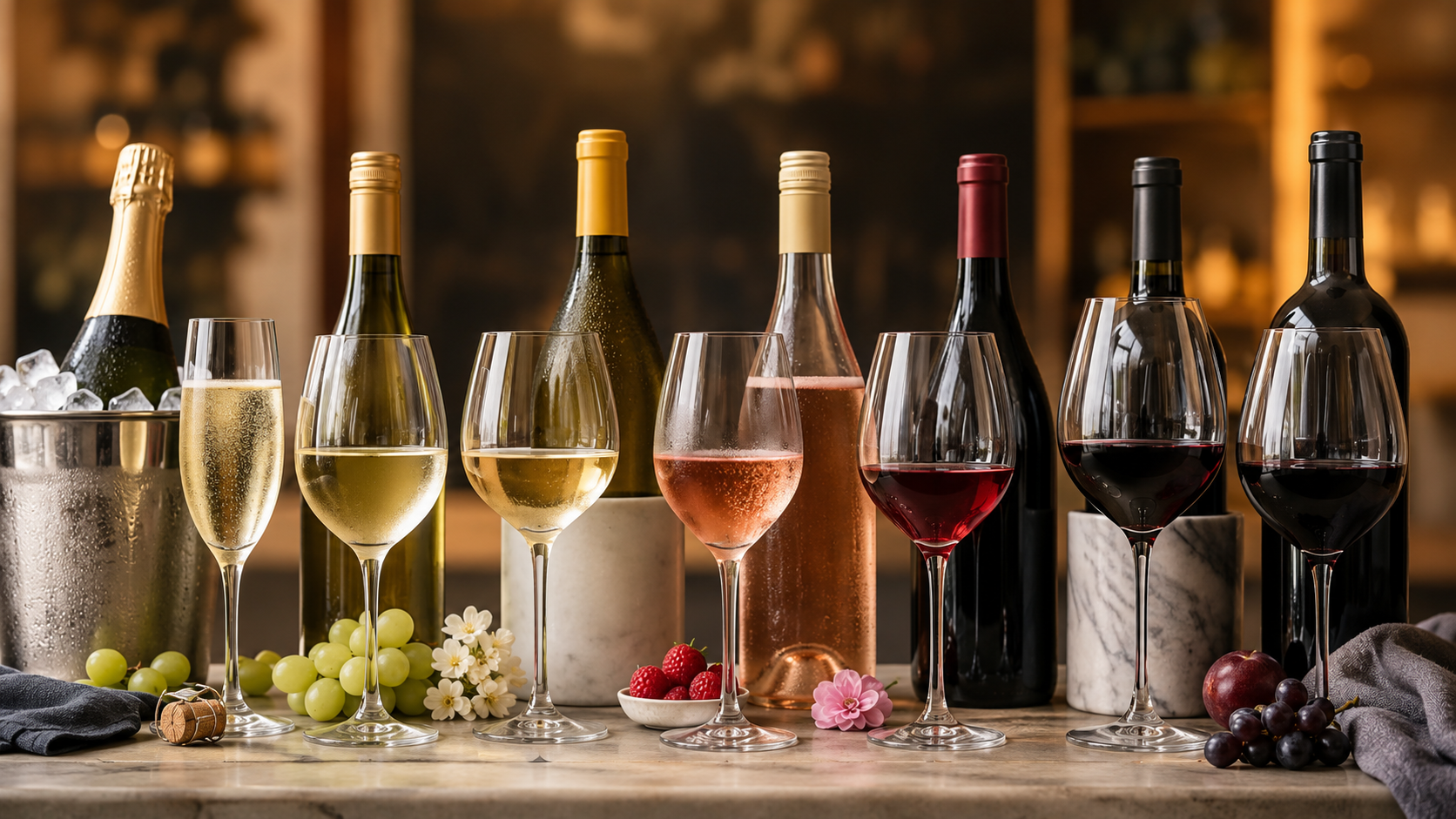
I’m not going to tell you that you’re drinking wine at the wrong temperature. That would be rude. But chances are you might not be getting the full aromas, flavors, and structure of your wine because it isn’t at its optimal temperature.
And in most homes, and definitely in a lot of restaurants and bars, white wine is being served too cold and red wine is being served too warm because we tend to store white wine in a refrigerator and red wine in a regular wine rack. Then we drink it right after pouring it.
What effect does temperature have?
When white wine is chilled its acidity and freshness and delicate aromas are emphasized. Too cold and it can taste flavorless; too warm and the alcohol can be more noticeable.
When red wine is served a bit warmer than white wine, its aromas are released and the fruit flavors are enhanced, while the tannins are softened. Too warm and the alcohol is emphasized and the wine can feel heavy; too cold and the tannins can feel harsh while the wine can even taste bitter.
Sparkling wines are meant to taste fresh, with high acidity contributing to that, so sparkling wine should be served cold to enhance the freshness, keep the acidity vibrant, and preserve the bubbles. Plus, warm champagne bottles tend to spurt when opened.
So how do you know what’s the best temperature to serve your wine?
I often say to go ahead and drink wine at whatever temperature you like. Everybody’s personal tastes are different. But if you really want to bring out the best in a wine, serving it at the ideal temperature is the way to go.
Some basic rules of thumb to remember:
- Serve red wines warmer than white wines
- The fuller-bodies the wine is (either red or white), the warmer the serving temperature
- Treat rose like white wine
- The higher the acidity of the wine, the cooler you’ll want it
- Sparkling wines should be served the coldest
Here’s a handy chart I use:

I can hear some people saying, “Wait a minute. I thought red wine was supposed to be served at room temperature.” You’re not wrong. That has been a guideline, but it’s been a guideline for a very long time and was created when room temperature in European homes and castles was about 60-65 degrees Fahrenheit. Most homes now are 70-75 degrees.
If you’re not convinced of the effect that temperature has on wine, try this experiment: Take two bottles of the same white wine. Chill one to the appropriate temperature in the chart and leave the other at the temperature of the room. Open them up, and pour a glass from each. Sniff and sip them side by side. Do you notice a difference in how pronounced the aromas are? In how fresh or crisp they taste? Or how noticeable the alcohol is?
Experimenting like this is not only a fun way to learn how a wine tastes at different temperatures, it’s also a great way to start to develop a sense of what you like best.
So how long do you need to chill a bottle to get it to the right temperature? Let’s add another row to the bottom of the chart.

Most refrigerators are set at approximately 37 degrees. (The US Food & Drug Administration recommends staying under 40 degrees. Most food safety experts say you should stay between 35 and 38.)
If you’re short on time, you’ve got a couple alternatives for quickly chilling a bottle:
Put it in the freezer. Shoot for roughly a quarter of the time you would have it in the refrigerator. If you do this, I recommend setting a timer. I once put a bottle of Pinot Grigio in the freezer, then got distracted and forgot about it. The water content in the wine froze, expanded, and pushed the cork out, leaving me with a Pinot Grigio slushy disaster to clean up!
Or place the bottle in a large bowl or ice bucket filled with ice water and salt. The salt lowers the freezing point of water, which makes the ice melt (that’s why salt is used in the winter on roads when they get icy) and the water gets colder. That will make the bottle chill faster. Try about 15-20 minutes for whites and 8-10 minutes for reds.
I don’t recommend pouring a glass and putting an ice cube in it – not because I think it’s tacky, but because as the ice melts it will dilute the wine. If you really want to go with this method, try filling the glass with a bunch of ice cubes and then pouring the wine. The mass of ice will melt more slowly, so you can chill the wine and then pour it into another glass with minimal dilution.
Also note, if you’ve had a bottle of wine (even white or rose) in the refrigerator for a few days, you’ll want to take it out and let it warm up for a while before you serve it.
Once you get used to drinking wine at its ideal temperature, what should you do if you’re served wine at the wrong temperature?
First, don’t be a jerk, especially if you’re at somebody’s home. Not everyone knows about wine temperature. And nobody likes a wine snob. Second, if you’re at a restaurant or bar, chances are you’ll have one of two things happen: either you’ll get a red wine that’s too warm or a white wine that’s too cold. Unfortunately, there’s not a lot you can do about the red. For the white, you can always cup the wine glass with your hand to warm it.
Bottom line: When it comes to serving temperature, I encourage you to experiment and find what you like best. You might prefer to drink your full-bodied, oaky Chardonnay ice-cold, and that’s ok. But chances are, because of the science of wine, you will probably generally like wines best when they are served at the recommended temps.
Let me know what you think about wine serving temperatures with a comment below. And if you found this post helpful, scroll down and subscribe to get notifications when a new post gets published.


Leave a Reply