
If you usually reach for a Chardonnay, Sauvignon Blanc, or Pinot Grigio when you’re shopping for white wine, you might be overlooking a bottle labeled Albariño. And that’s understandable. It’s not nearly as well known in the United States as some other white grapes.
But maybe it should be!
Albariño (pronounced ahl-bah-REE-nyoh) is one of those wines that makes people stop halfway through their first sip and say, “Wow…what is this?” It’s bright, refreshing, very food-friendly, and packed with flavor without feeling heavy.
Whether you’re just starting to learn about wine or looking for something new to try, Albariño deserves a place on your shopping list.
Where does it grow?
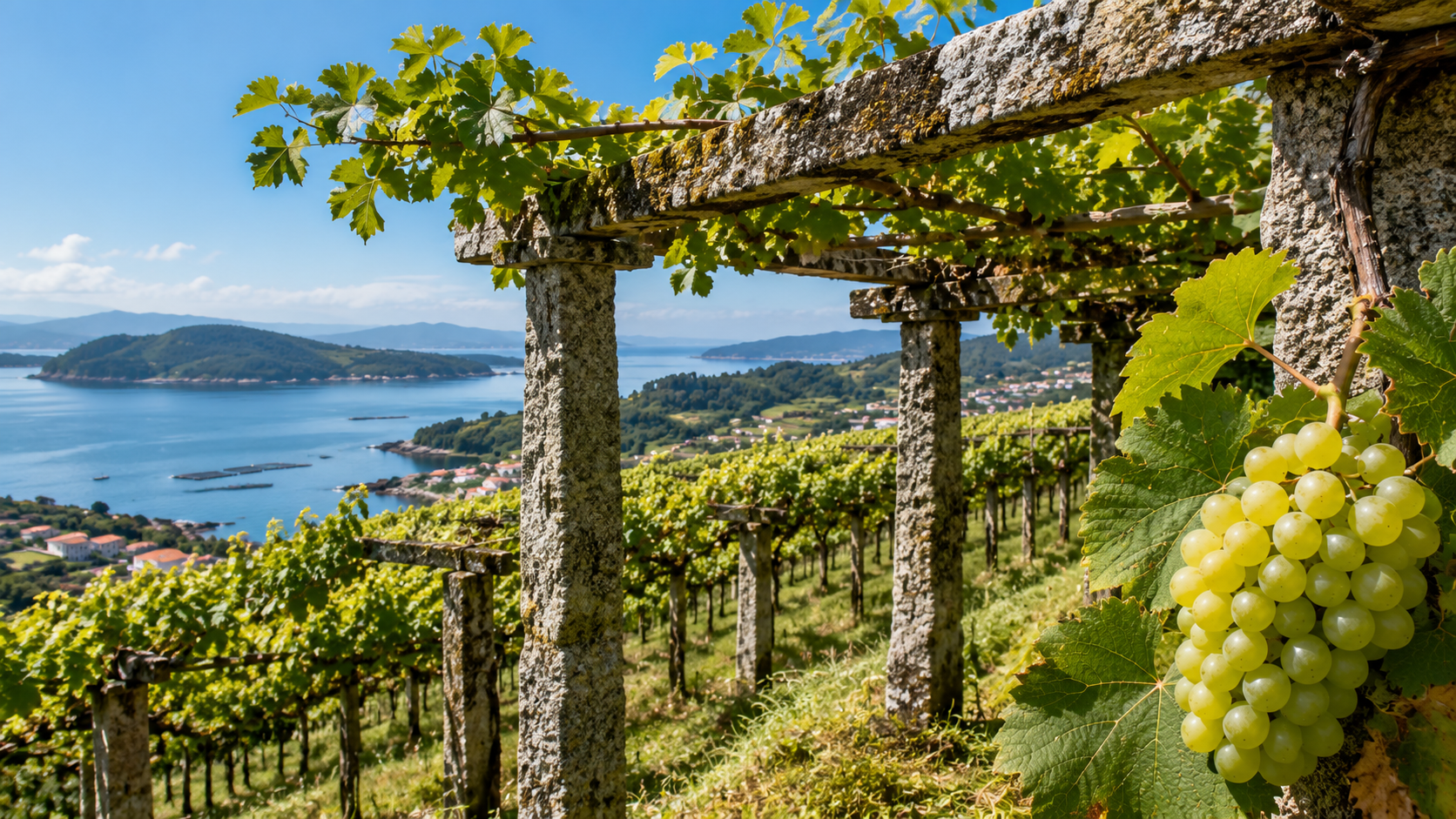
Albariño’s home is Galicia, a lush, green region in the northwest corner of Spain. The grape is especially associated with the Rías Baixas (REE-ahs BY-shus) wine region, where the cool Atlantic climate creates perfect growing conditions for the thick-skinned Albariño.
Unlike many parts of Spain that are hot and dry, Galicia is cool, rainy, and heavily influenced by the ocean. That means grapes ripen slowly, developing lots of fresh fruit flavors while keeping their naturally bright acidity.
Today, you’ll also find Albariño growing in:
- Portugal (where it’s known as Alvarinho)
- The United States (California, Oregon, Washington, New York, and Virginia)
- Australia
- New Zealand
- Uruguay
What does it taste like?
If you enjoy crisp, refreshing white wines, Albariño is likely to become a favorite.
Typical flavors include:
- Peach
- Apricot
- Lime
- Lemon
- Grapefruit
- Green apple
- Pear
Many bottles also have a distinctive salty or mineral quality that reflects their coastal origins, especially the ones from Spain. Some people describe this as tasting like a sea breeze. It doesn’t literally taste like seawater, but there’s often a subtle savory note that makes the wine especially refreshing.
Albariño is usually made in a dry style, meaning it contains very little residual sugar. However, all that ripe fruit can make it seem sweeter than it actually is. (Learn more about dry vs sweet…plus fruity.)
Most Albariño is fermented and aged in stainless steel tanks, which helps preserve the grape’s fresh fruit flavors and lively acidity.
You’ll occasionally find sparkling Albariño or blends featuring the grape, but those are relatively uncommon.
An Interesting History
Like many famous wine grapes, Albariño has a few stories surrounding its origins.
For years, one popular legend claimed that medieval monks brought the grape from Germany along the Camino de Santiago pilgrimage route. It’s a great story, but modern DNA research tells a different tale.
Today, most scientists believe Albariño is actually native to northwestern Spain and neighboring Portugal, where it has likely been growing for centuries.
The grape is well suited to the humid Atlantic climate. Growers traditionally train the vines high above the ground on granite pergolas, allowing air to circulate beneath the canopy. This helps the grapes dry more quickly after frequent rain, reducing the risk of fungal diseases.
If you’ve ever visited Rías Baixas, the elevated vineyards are one of the first things you’ll notice because they look a lot different from the straight-line vineyards so many of us are used to.
How common is it?
Not very, and that might be part of its appeal.
Globally, Albariño represents well under 1% of the world’s vineyard acreage, making it a relatively small player compared with grapes like Chardonnay, Sauvignon Blanc, or Riesling.
Even among white wines, Albariño accounts for only a tiny fraction of worldwide production. While exact percentages vary from year to year, it’s safe to say that far less than 1% of all white wine produced globally is made from Albariño.
So while millions of bottles are produced annually, it’s still something of a hidden gem.
What about pairing with food?
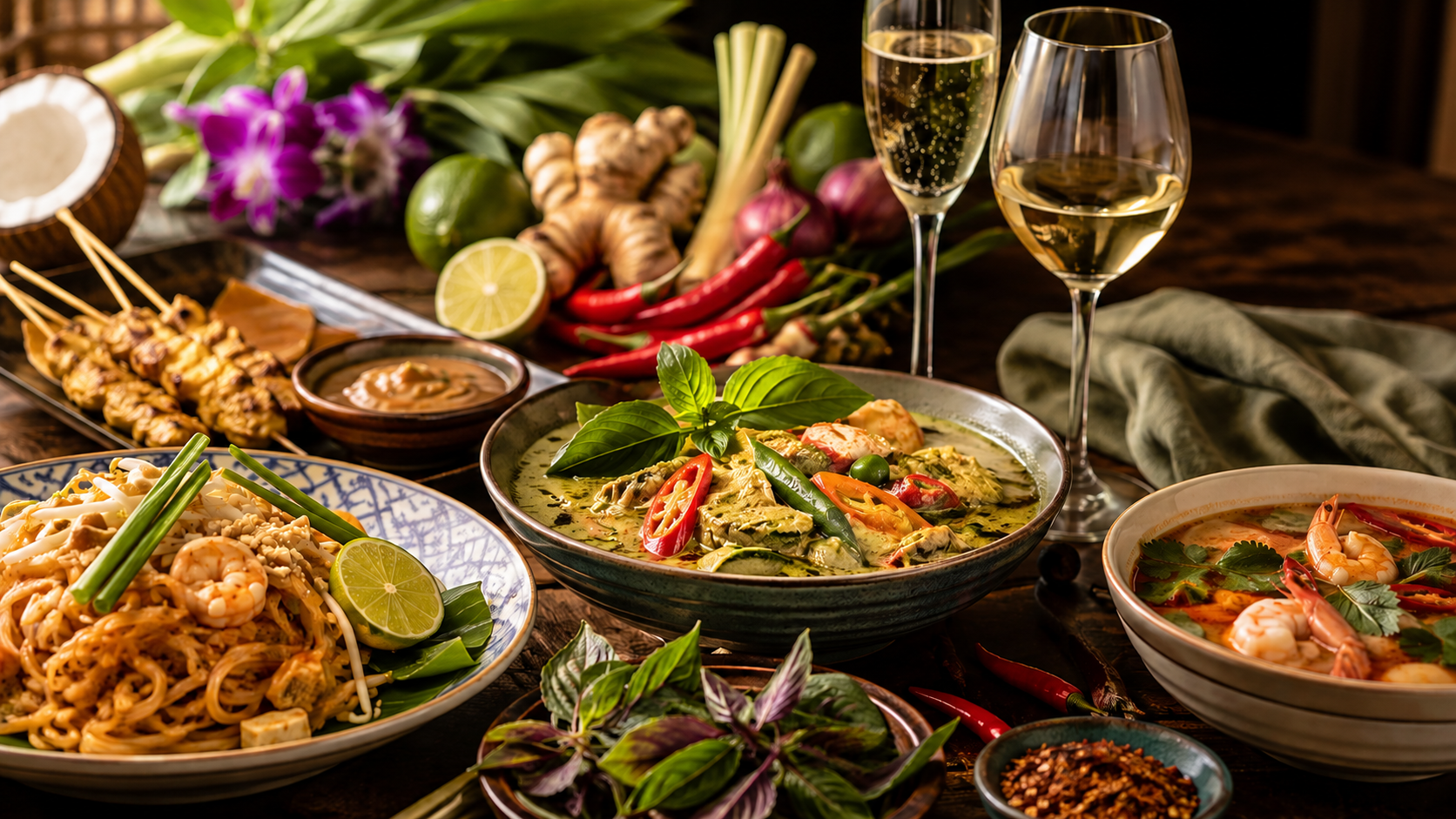
This is where Albariño really shines. Its bright acidity and citrus flavors make it one of the best white wines for seafood. Try it with shrimp, crab, lobster, scallops, grilled fish, oysters. You name it!
Albariño can also pair well with:
- Chicken
- Goat cheese
- Mediterranean dishes
- Thai food
- Vietnamese food
- Light pasta dishes
Because it has plenty of acidity but isn’t overly aggressive, Albariño can handle foods that might overpower more delicate white wines.
Why you should try it
If someone asked me for a white wine that everyone should experience, Albariño would definitely be on the list.
It’s refreshing without being too sharp. It’s flavorful without feeling heavy. And it’s versatile enough to pair with everything from seafood to spicy takeout.
Perhaps best of all, many great bottles are surprisingly affordable compared with other premium white wines. You can often find excellent examples in the $15 to $25 range, making Albariño one of wine’s best values.
So the next time you’re browsing the wine aisle, skip past the familiar bottles for just a moment and grab an Albariño instead.
You might just discover your new favorite white wine.
Don’t miss a single blog post. Subscribe below to be notified of each new post, whether it’s about a particular grape, food pairing tips, or interesting aspects of wine history of culture.


Leave a Reply