

Have you ever wondered why some Chardonnays taste rich and creamy, while others are crisp and taste almost like biting into a green apple? Or why some red wines smell a bit like coconut or spices?
The answer has less to do with the grapes and more to do with how the wine is made.
One of the most important tools a winemaker uses is the wine barrel. Barrels have been used for centuries, originally for storing and transporting wine. Today they’re also used to influence how a wine tastes, smells, and feels.
So what exactly happens to wine inside a barrel? And why do winemakers choose one type over another? Let’s take a closer look.
Why use wine barrels?
Wine barrels do more than just hold wine. They can change its flavor, aroma, and texture in several ways.
Adding Flavor
Barrels can give wine additional flavors and aromas. Depending on the type of wood and how the barrel is prepared, these might include vanilla, coconut, caramel, baking spices (like cinnamon or nutmeg), toast, or smoke.
Helping Wine Develop
Unlike stainless steel tanks, barrels allow small amounts of oxygen to interact with the wine. Over time, this can help soften the wine and bring its different flavors together.
Changing How Wine Feels
Barrel aging can make some wines feel smoother, richer, and rounder in your mouth. This is particularly noticeable in certain red wines and Chardonnays.
It’s important to remember that winemakers don’t always use barrels just to give wine an oak flavor. Sometimes they simply want to let the wine develop slowly.
The Different Types of Wine Barrels
Not all wine barrels are made from the same wood. The type of wood used can make a noticeable difference in the finished wine.
French Oak
French oak is one of the most popular choices for premium wines. It generally contributes subtle flavors like vanilla, baking spices, cedar, and toast.
American Oak
American oak tends to produce more pronounced flavors than French Oak. Think vanilla, coconut, sweet spices, and even sometimes dill.
Eastern European Oak
Oak from countries like Hungary and Slovenia is also used in winemaking. It can produce flavors similar to French oak and offers winemakers another option when choosing barrels.
Other Types of Wood
While oak is the most prevalent wood used for wine barrels, it isn’t the only wood used. Some producers experiment with acacia, chestnut, and cherry wood. Acacia, for example, is sometimes used with white wines and can contribute floral characteristics without the more familiar flavors associated with oak.
Size Matters
Wine barrels come in different sizes, which can influence how much they affect the wine.
Some common examples include:
- Barriques: Traditional Bordeaux barrels holding approximately 225 liters (almost 60 gallons). These are the most common worldwide.
- Burgundy pièces: Barrels holding approximately 228 liters.
- Puncheons: Larger barrels holding approximately 450-600 liters.
- Foudres: Very large wooden vessels that can hold several thousand liters.
Why does size matter? Smaller barrels have more wood in contact with each liter of wine. This generally means that more oak flavor gets into the wine. Larger barrels have less wood in contact with the wine relative to their size, so they usually contribute less noticeable oak flavor.
New Oak vs. Used Oak
Another important consideration is whether a barrel is new or has been used before.
New oak barrels contribute the most flavor to wine. They’re where you’ll find the strongest influences of vanilla, coconut, spice, and toast. Barrels that have previously been used have already given some of their flavors to earlier wines. As a result, they contribute less oak influence.
Barrels that have been used several times are often called neutral barrels. This is because they may contribute very little oak flavor but can still allow small amounts of oxygen to interact with the wine.
Winemakers often combine new and used barrels to achieve the taste they’re looking for without making the wine too oaky.
What is barrel toasting?
Here’s something you might not know: wine barrels are actually toasted during the manufacturing process.
When barrels are made, the inside of the wood is heated over a fire. This process, called toasting, changes the flavors the wood can contribute to wine. There are three common toast levels:
- Light toast: subtle wood and spice flavors
- Medium toast: vanilla, caramel, baking spices, and toasted bread
- Heavy toast: smoke, coffee, chocolate, and charred wood flavors
The winemaker chooses the toast level based on the type of wine they’re making and the flavors they want to achieve.
Which wines are aged in barrels?
While barrels can be used with any wine, barrel aging is especially common with certain red wines and Chardonnays.
Some examples include:
- Cabernet Sauvignon – Oak can add flavors of vanilla, cedar, and spice that complement the grape’s natural flavors.
- Pinot Noir – Often aged in French oak to add subtle flavors without overpowering the fruit.
- Chardonnay – Can develop flavors of vanilla, toast, and butter, along with a richer, creamier feel.
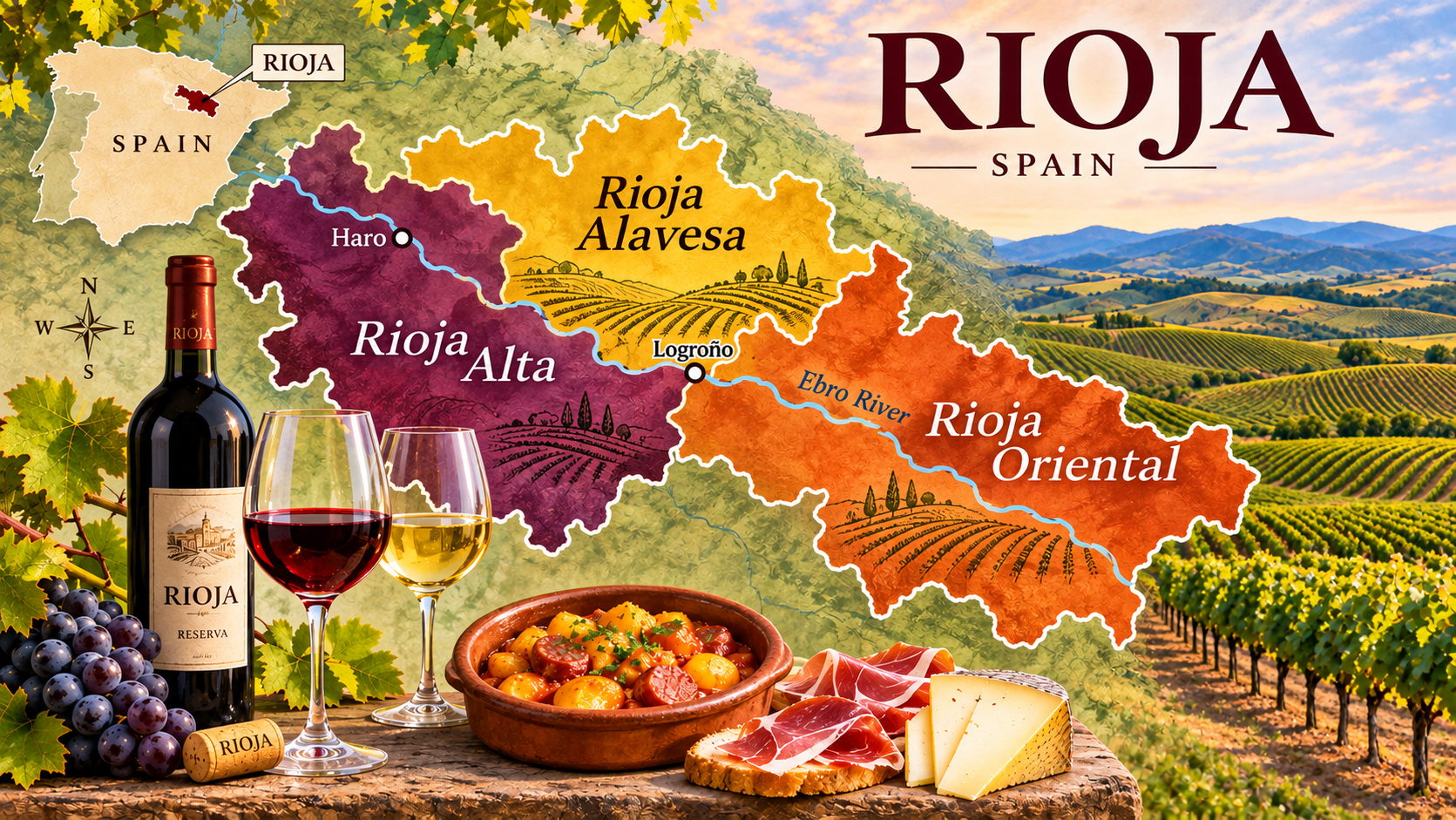
- Rioja – Traditionally aged in American oak, which can give the wine recognizable vanilla and coconut flavors.
Many wines are made without oak. Sauvignon Blanc, Riesling, and Pinot Grigio are frequently fermented and aged in stainless steel tanks to preserve their fresh fruit flavors.
Neither approach is “better.” It simply depends on the style of wine the winemaker wants to produce.
Can you taste the difference?
Here’s a fun experiment. Try tasting two Chardonnays side by side. Choose one that hasn’t been aged in oak and another that has spent time in oak barrels. (Often you’ll see the distinction on the bottle label.)
The unoaked Chardonnay will likely have fresh fruit flavors of green apple, lemon, and citrus. The oak-aged Chardonnay may have additional flavors of vanilla, toasted nuts, and baking spices, along with a creamier feel.
It’s a great way to experience firsthand how a winemaker’s choices can change the taste of wine, even when using the same grape.
It’s all part of the winemaker’s toolbox.
Wine barrels are much more than storage containers. They’re an important tool that winemakers use to influence the taste, smell, and feel of their wines.
The next time you enjoy a glass of wine, think about what happened before it reached your glass. Its character comes not just from the grapes and where they’re grown, but sometimes from the barrel in which the wine spent time.
Never miss an article! Scroll down and subscribe to get notified every time a new Beyond the Glass article is published.
Leave a Reply